If you are my destiny, then I am happy to be as you see me. Even though I haven’t seen you for two or three days, from the very first time I met you, you never felt like a stranger. Even when I tried to talk to you and get to know you, it felt the same. I realized a long time ago that meetings are not just coincidences. Anyway, I really like the way you carry yourself—it truly suits you.
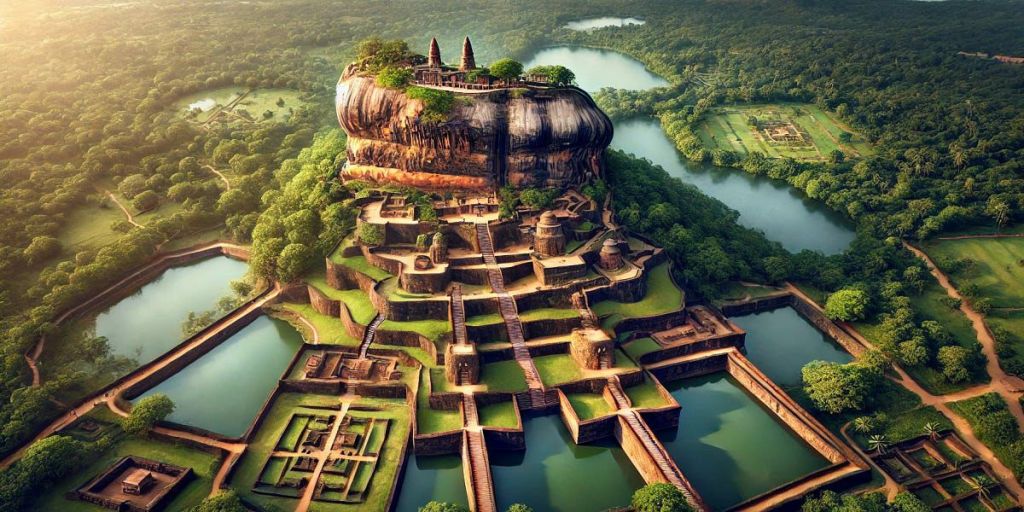
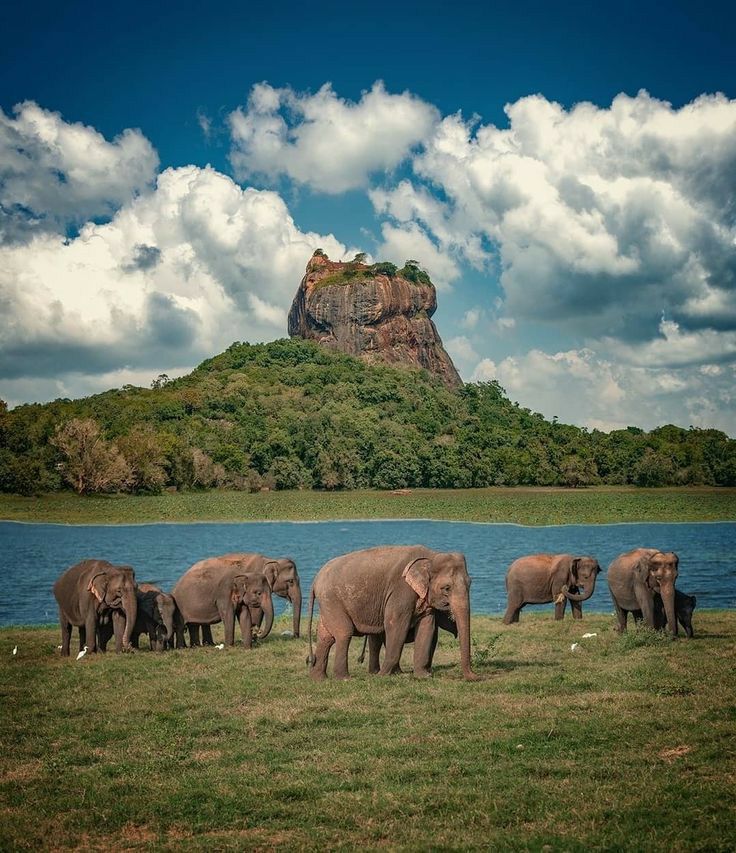
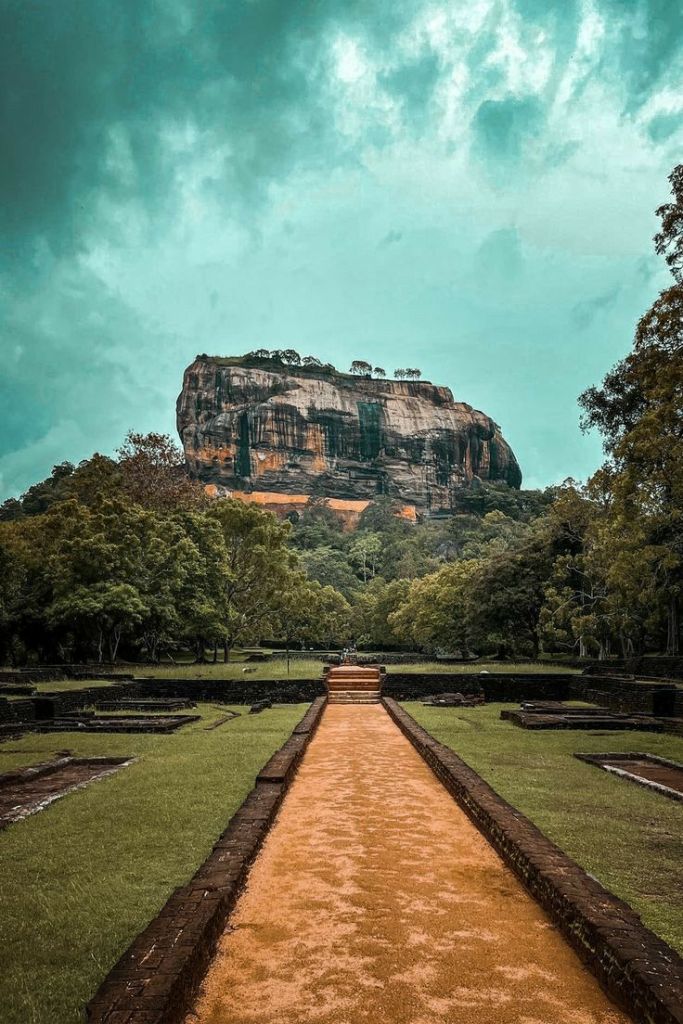
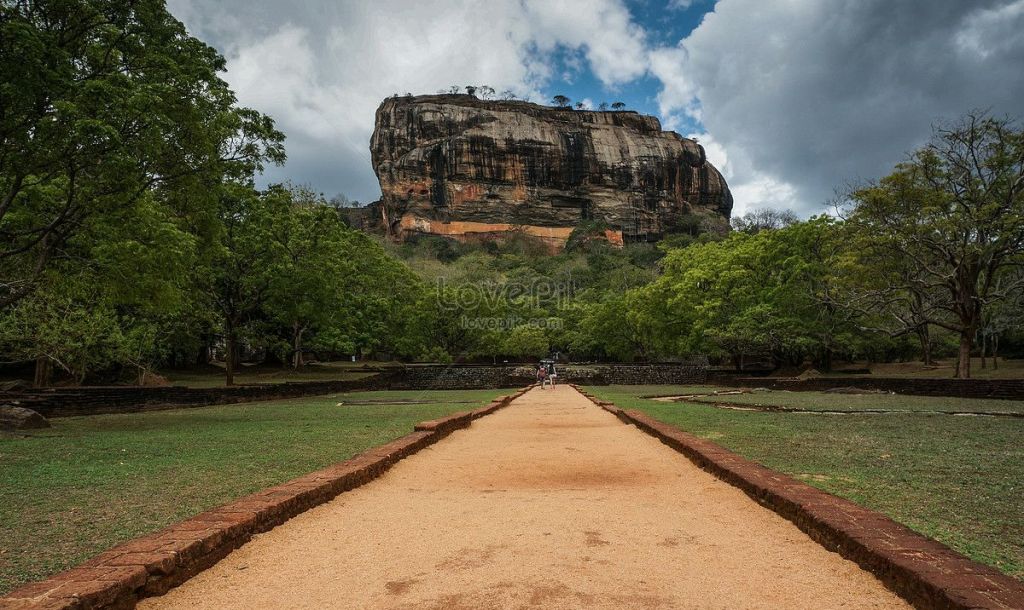
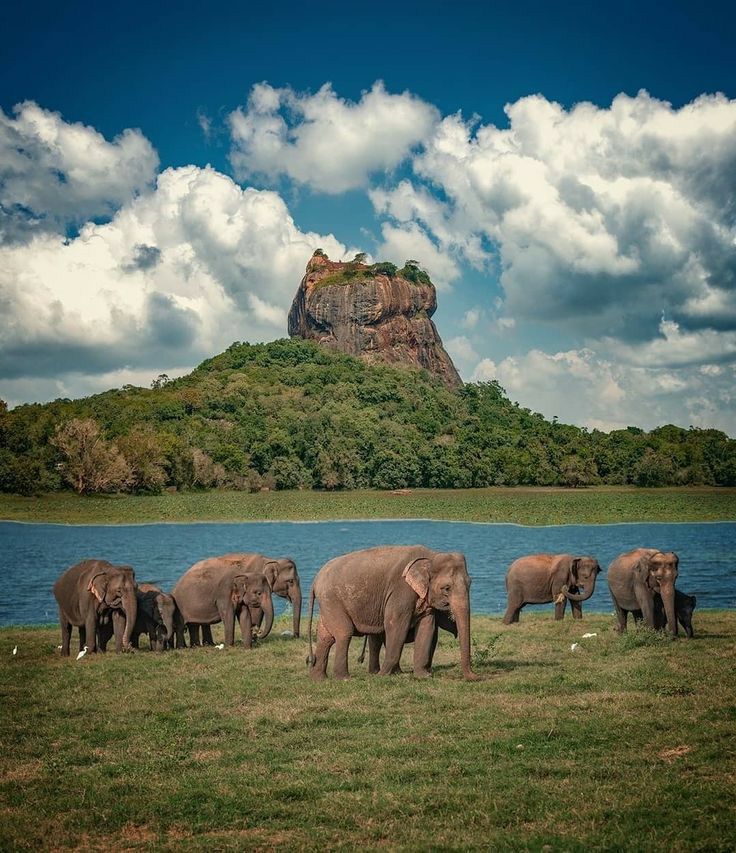
Sigiriya, often referred to as the “Eighth Wonder of the World,” is a UNESCO World Heritage Site located in the Matale District of Sri Lanka. This ancient rock fortress is not only an architectural marvel but also a testament to the rich cultural and historical heritage of the country.
A Brief History
The story of Sigiriya begins in the 5th century CE with King Kashyapa, who is believed to have built the fortress after overthrowing his father, King Dhatusena. Seeking refuge from his half-brother Moggallana, the rightful heir to the throne, Kashyapa transformed the 200-meter-high rock into an impenetrable fortress. However, his reign was short-lived. After a decisive battle, Kashyapa was defeated, and Sigiriya was eventually abandoned and later repurposed as a Buddhist monastery.
Architectural Splendor
The ingenuity of Sigiriya’s design is awe-inspiring. The complex includes:
The Lion Staircase: The name “Sigiriya” translates to “Lion Rock,” and the entrance to the summit is flanked by two massive lion’s paws, remnants of what was once a full lion-shaped gateway.
The Water Gardens: These symmetrically designed gardens feature sophisticated irrigation systems, including fountains that still function during the rainy season.
The Mirror Wall: Once polished to such a reflective shine that the king could see his reflection, this wall now bears ancient graffiti from visitors praising Sigiriya’s beauty.
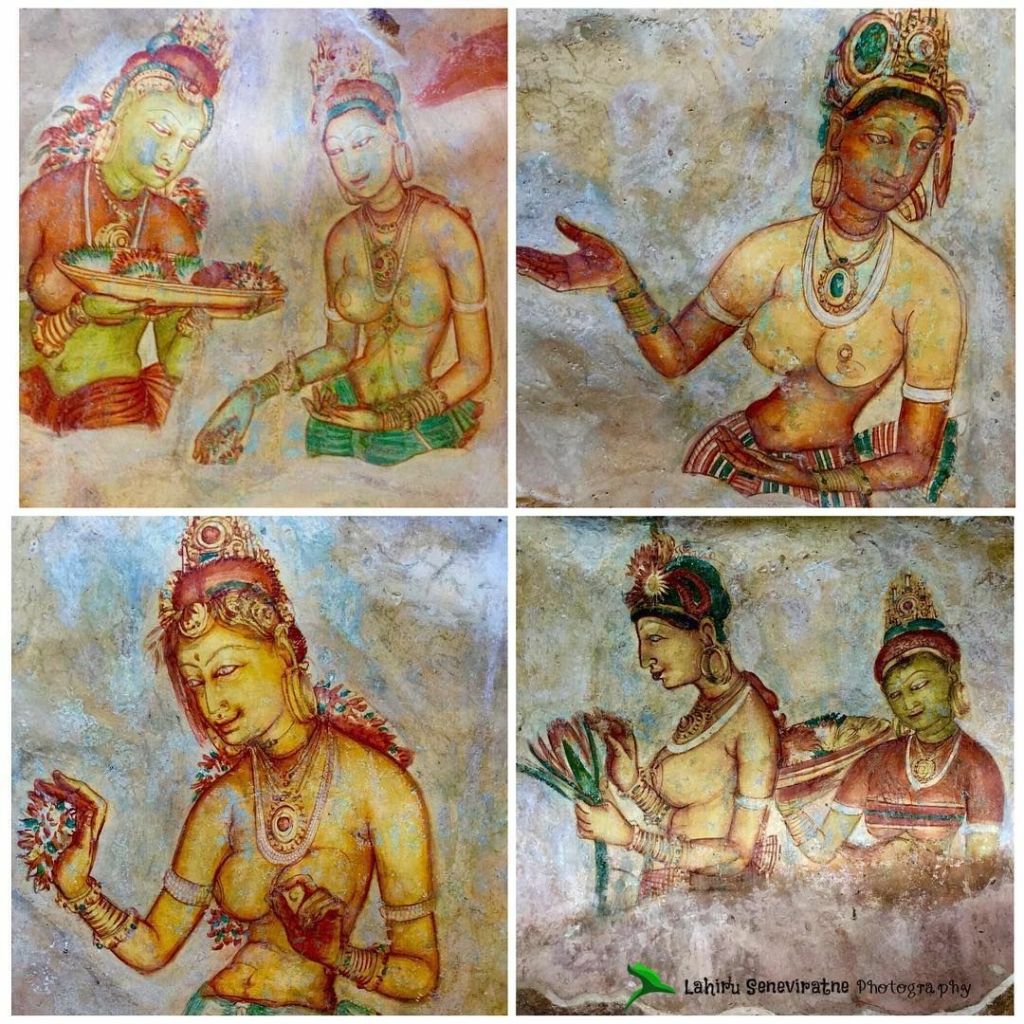
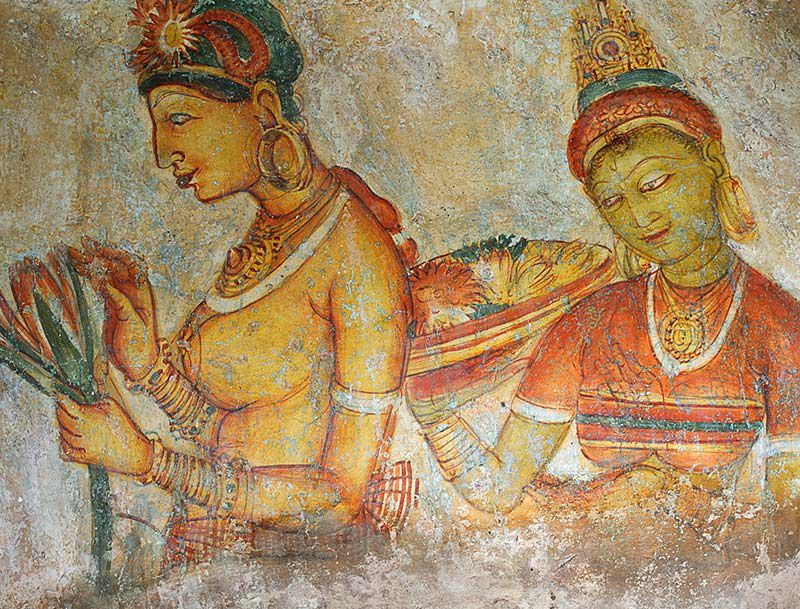
The Frescoes: The western face of the rock is adorned with frescoes of celestial maidens, believed to depict either the king’s consorts or divine beings. These paintings are celebrated for their vibrant colors and intricate details.
The Summit
Sigiri Apsara’s
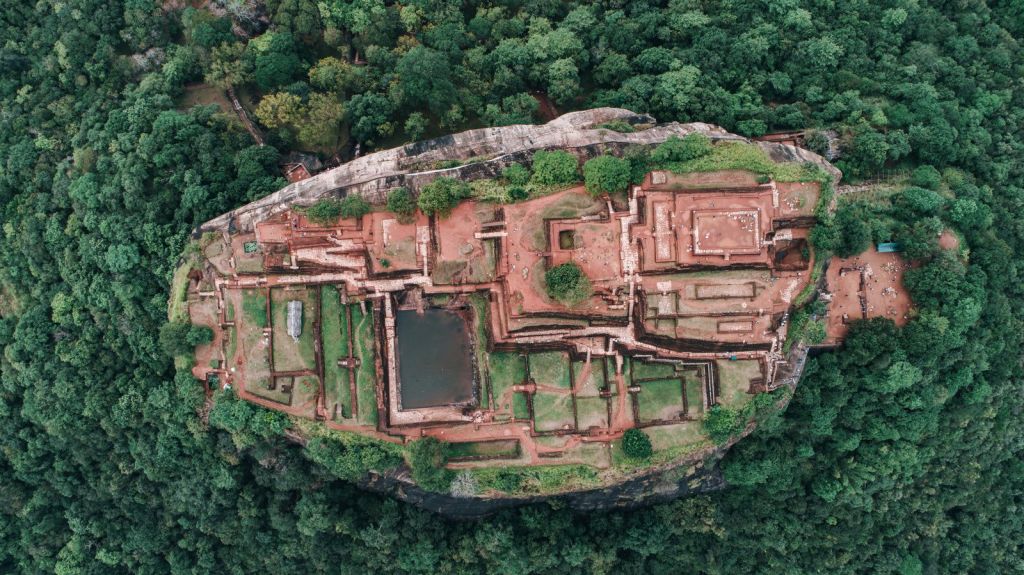
The summit of Sigiriya reveals the ruins of the royal palace, complete with a throne carved out of rock and remnants of cisterns used to collect water. The panoramic views from the top encompass lush forests, distant mountains, and the surrounding plains, making the climb worth every step.
Cultural Significance
Sigiriya is more than a historical site; it is a symbol of Sri Lanka’s resilience and ingenuity. The fortress combines art, architecture, and engineering, showcasing the sophistication of ancient Lankan civilization.
Tips for Visitors
1. Start Early: The climb can be strenuous, especially under the midday sun.
2. Stay Hydrated: Bring water, but ensure it’s in an eco-friendly container to protect the environment.
3. Respect the Site: Sigiriya is a cultural and spiritual landmark—avoid littering or touching the frescoes.
Whether you’re a history enthusiast, an art lover, or an adventurer, Sigiriya offers an unforgettable journey into Sri Lanka’s past. It stands as a reminder of the creativity and ambition of our ancestors, inviting us to marvel at their achievements.
What are your thoughts on Sigiriya? Share them in the comments below!




 Fragment Of Me